
Advancing Better Health Outcomes Through Responsible AI
Tr
Collaboration. Innovation. Trust
We are committed to ethical, transparent, and human‑centered uses of AI in health.
As AI technology continues to evolve, healthcare organizations are exploring opportunities to streamline operations while ensuring trustworthy implementation. Clinical integration demands robust validation, training, and change management strategies.
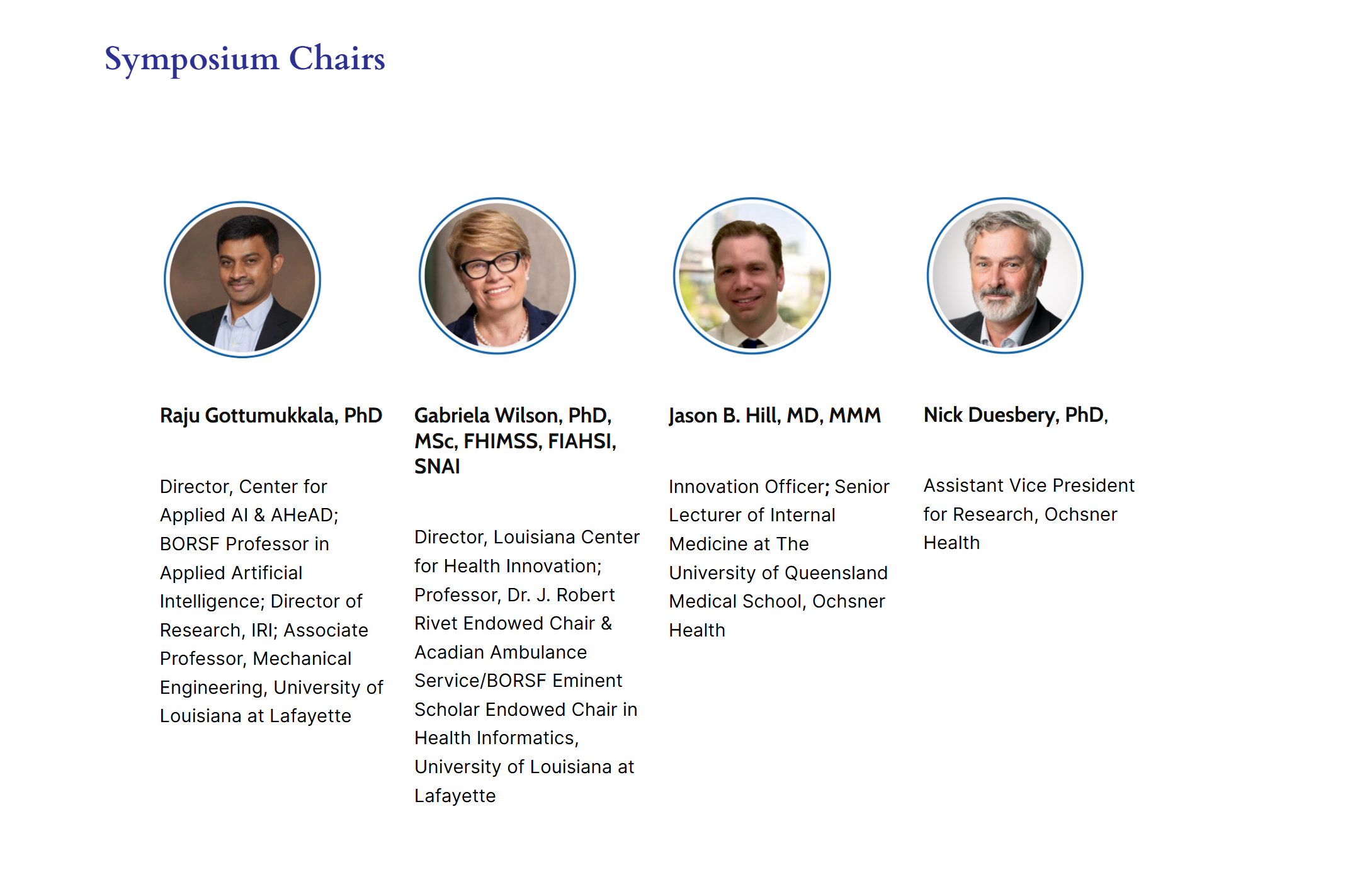
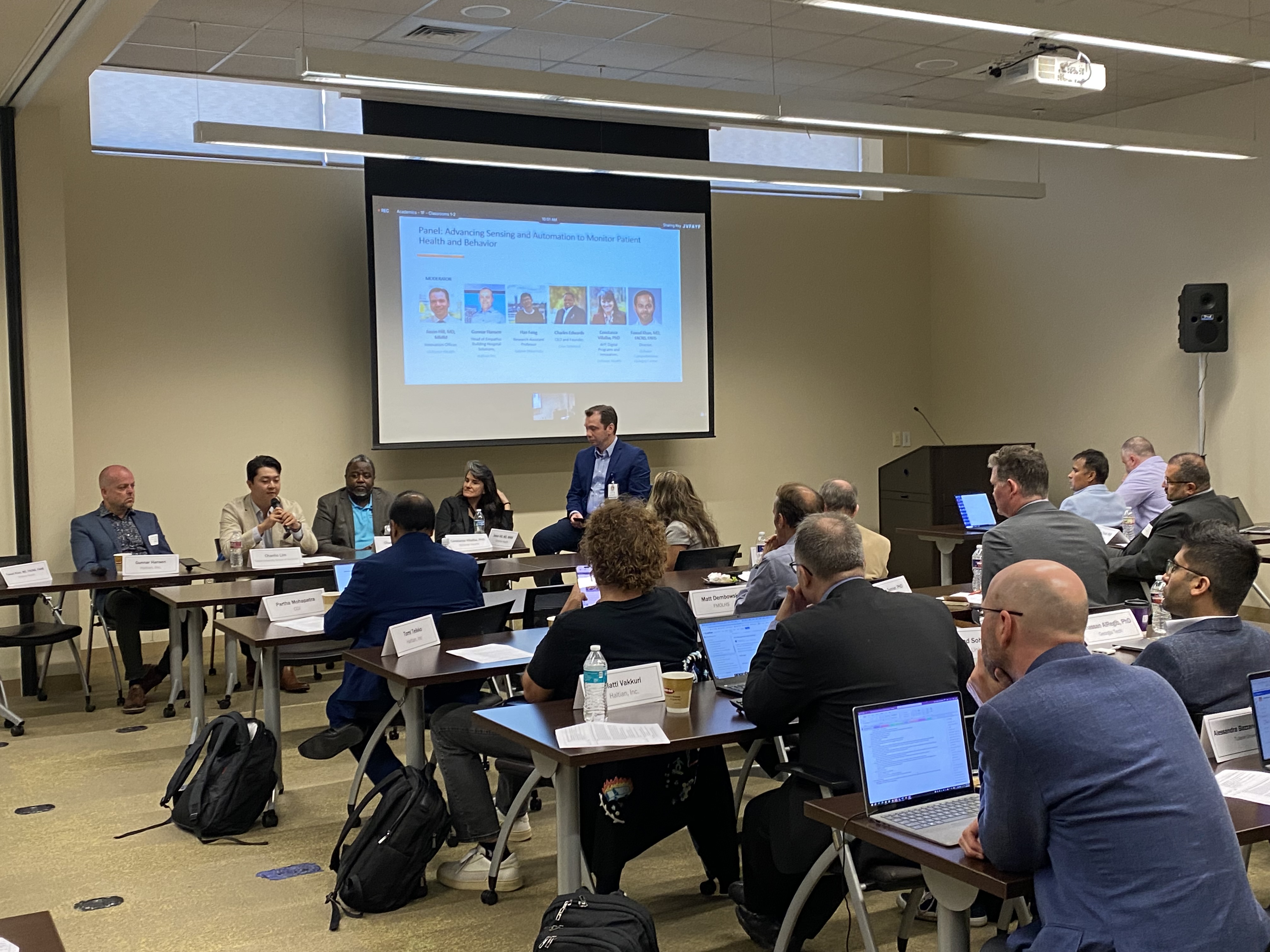
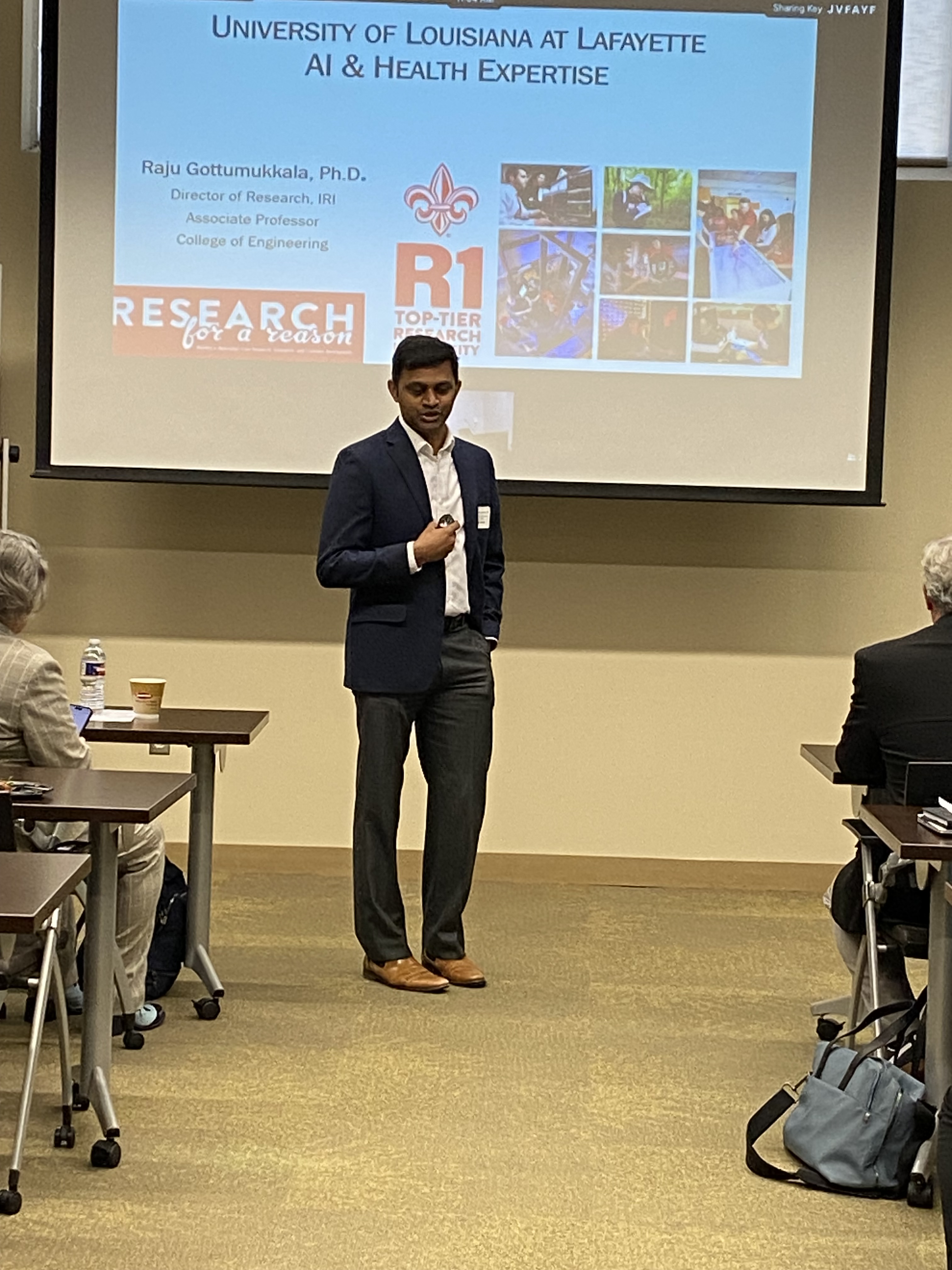
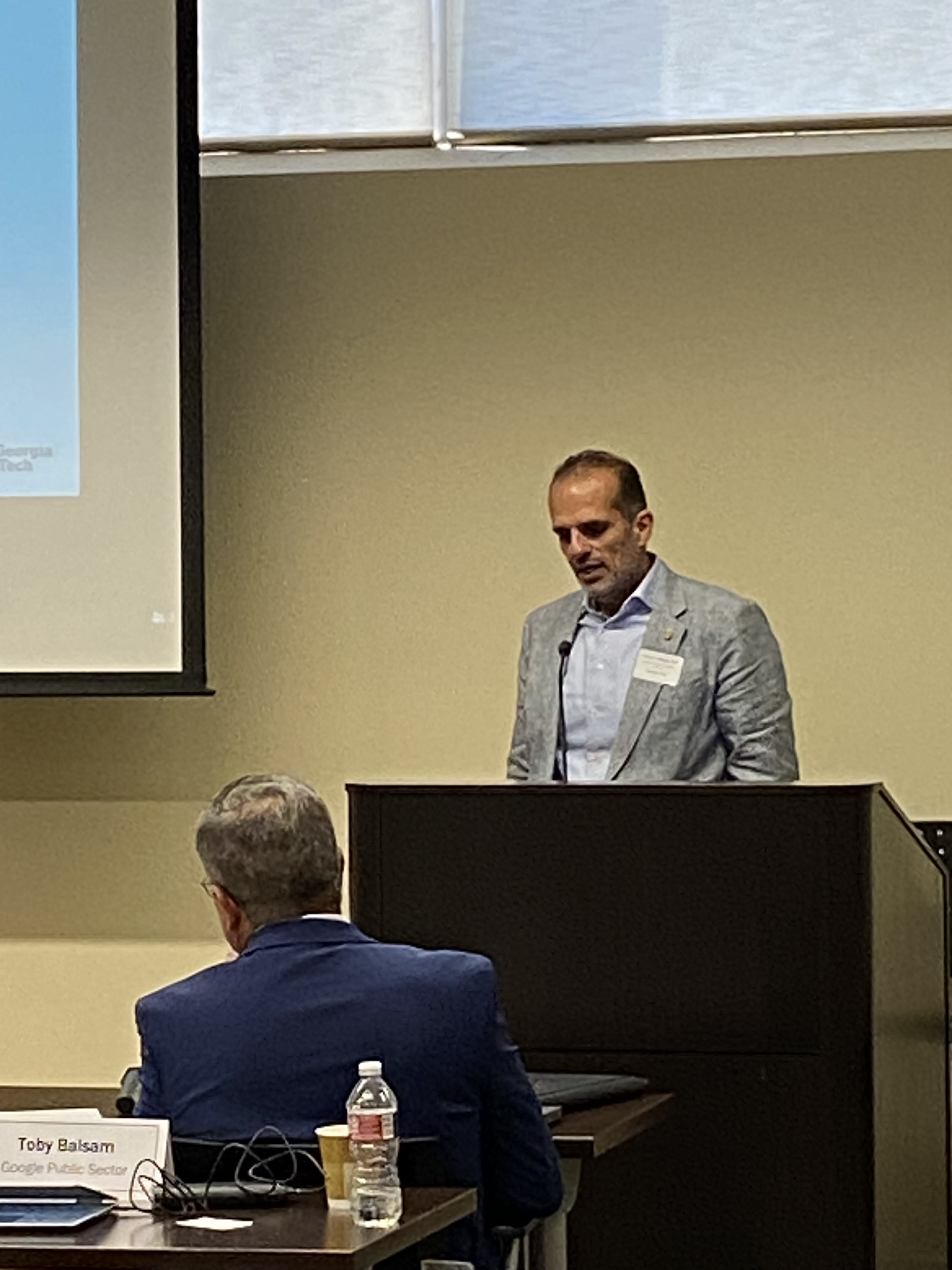
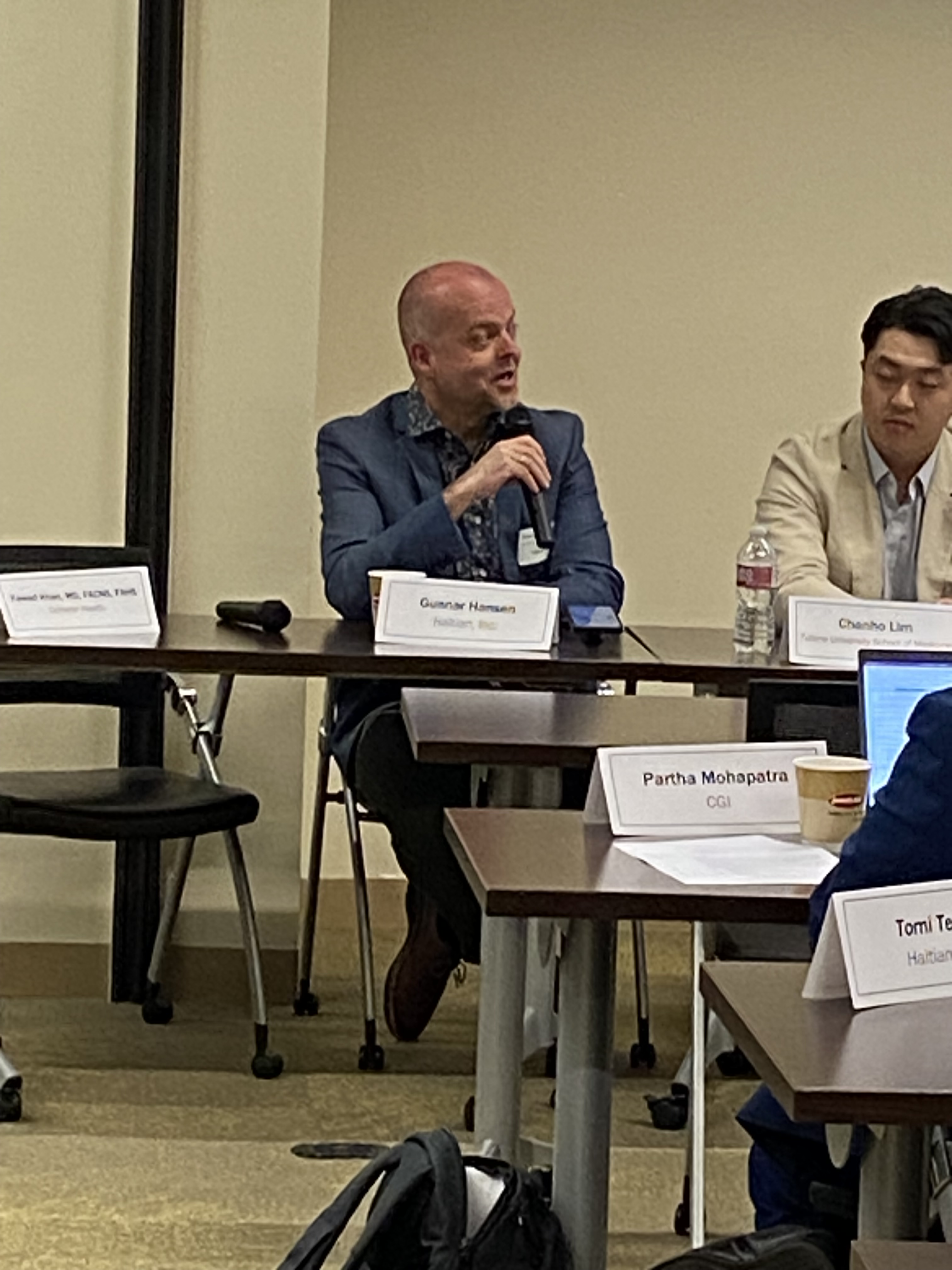
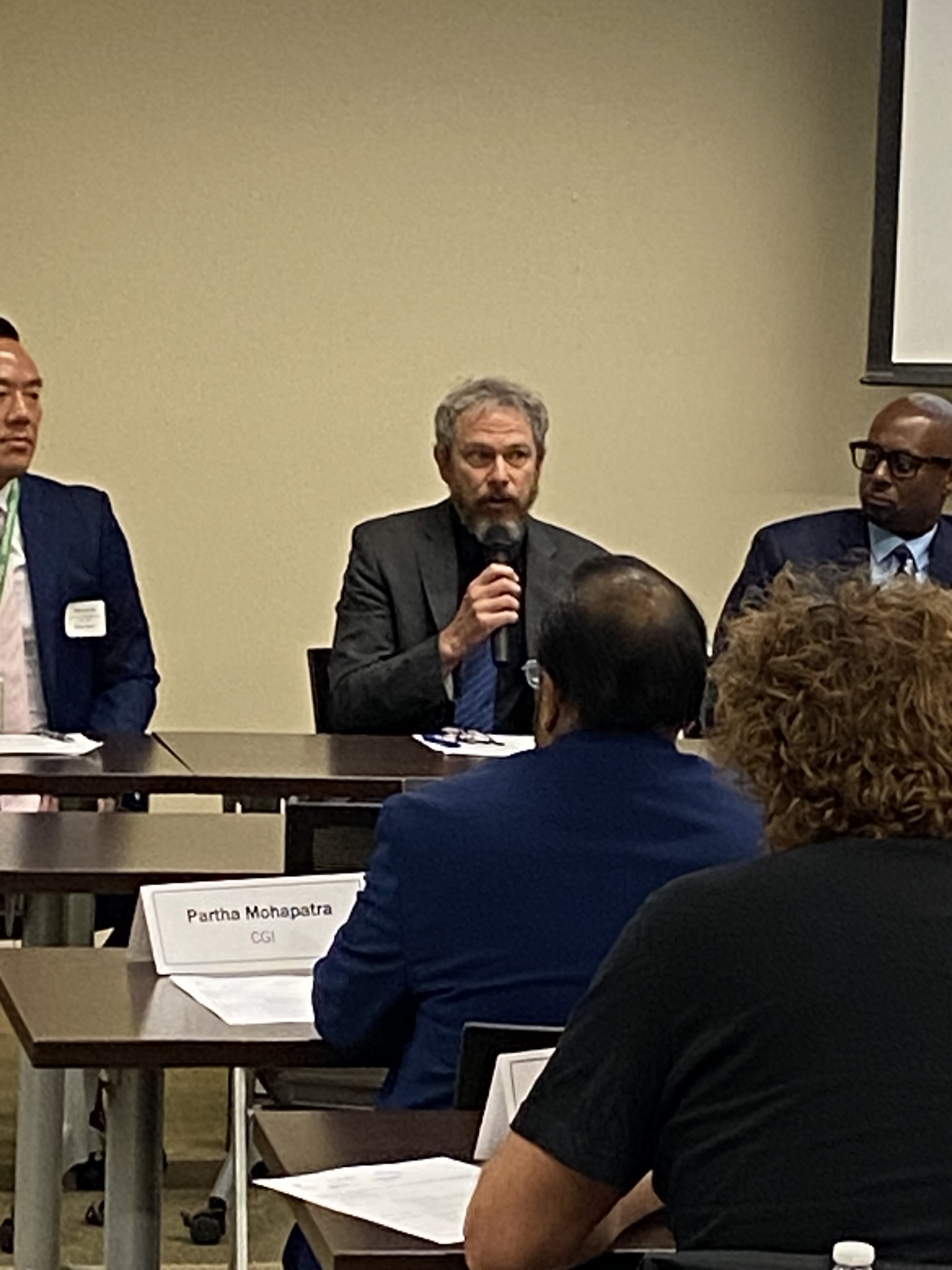
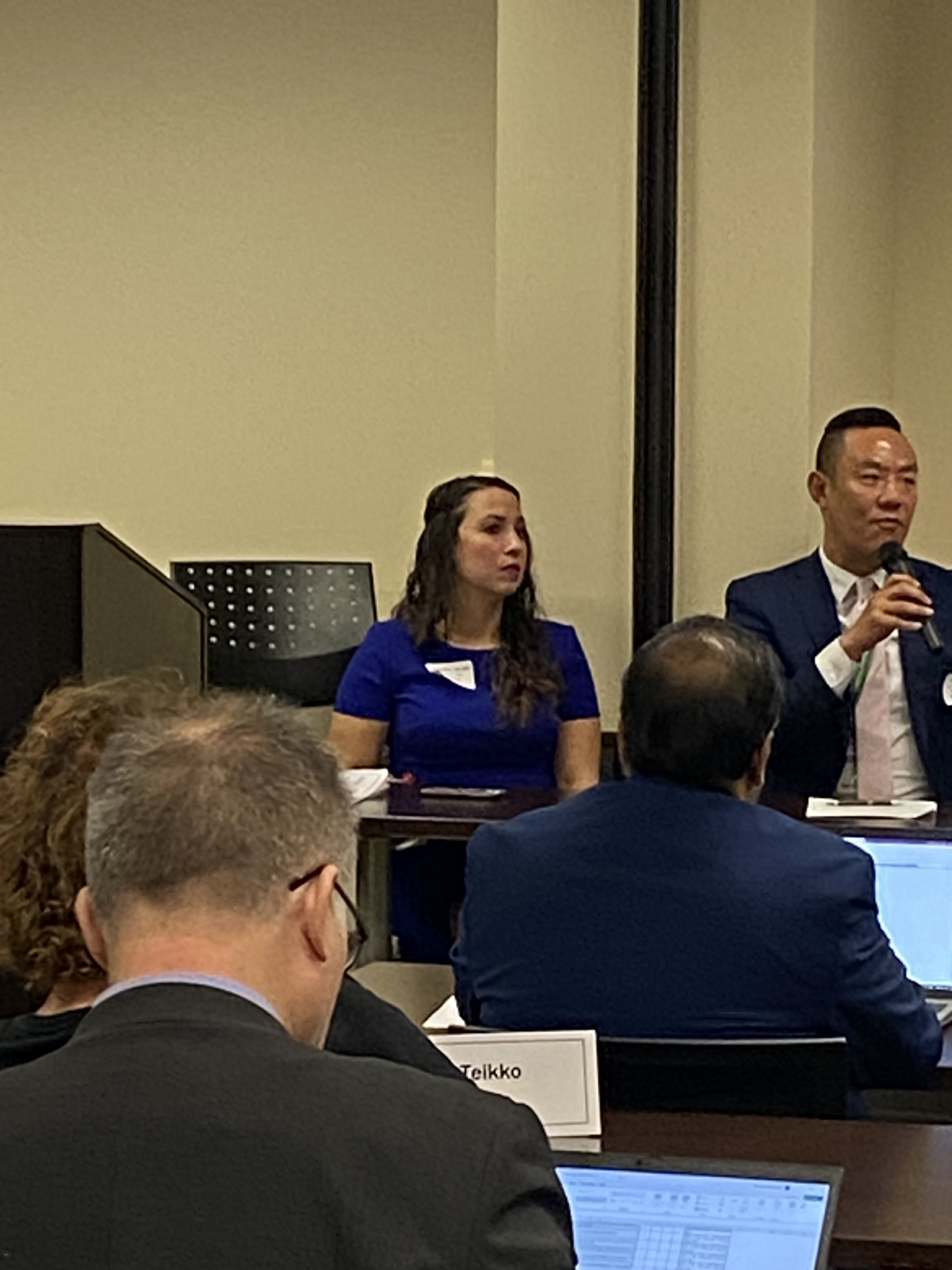
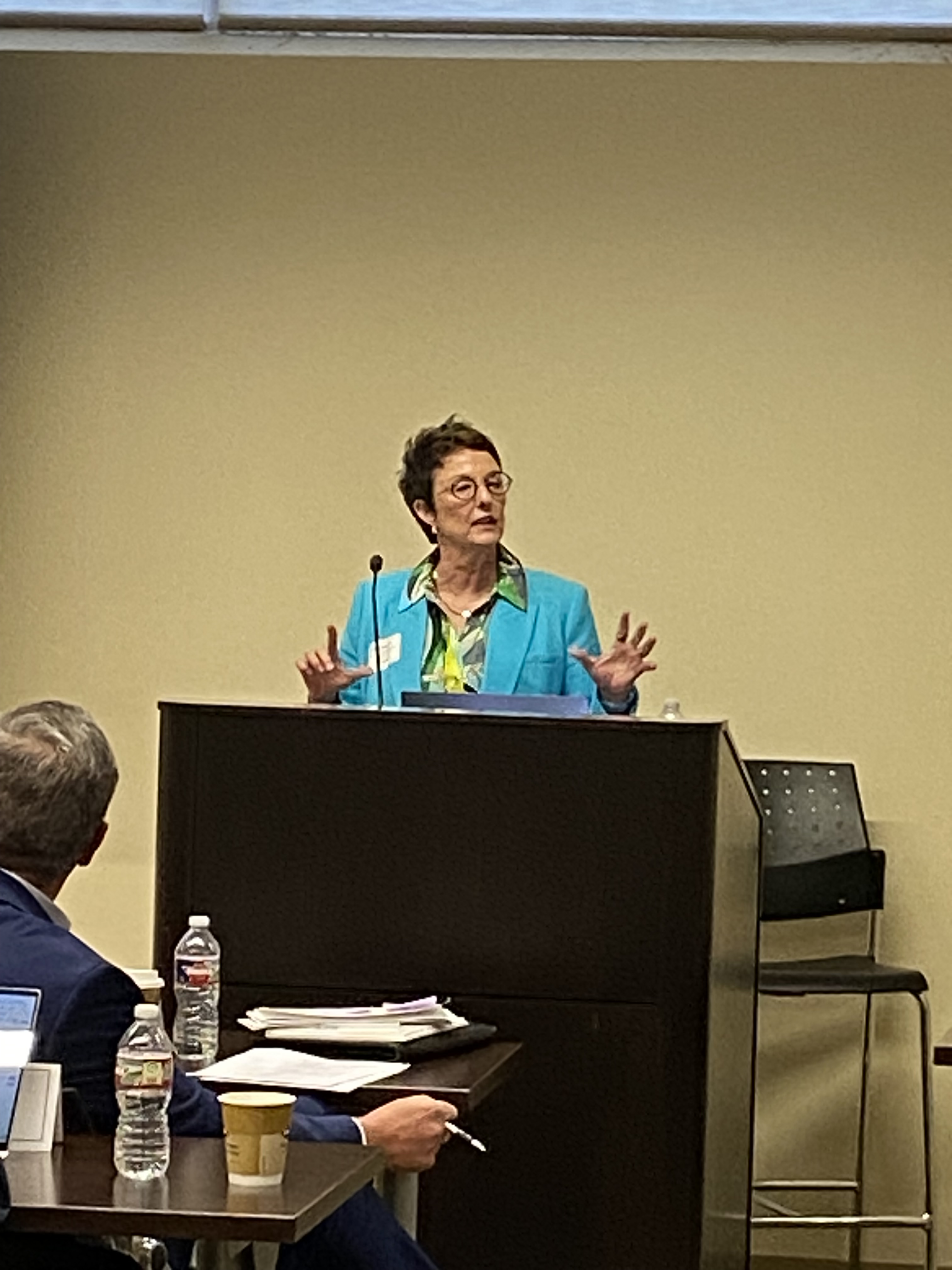
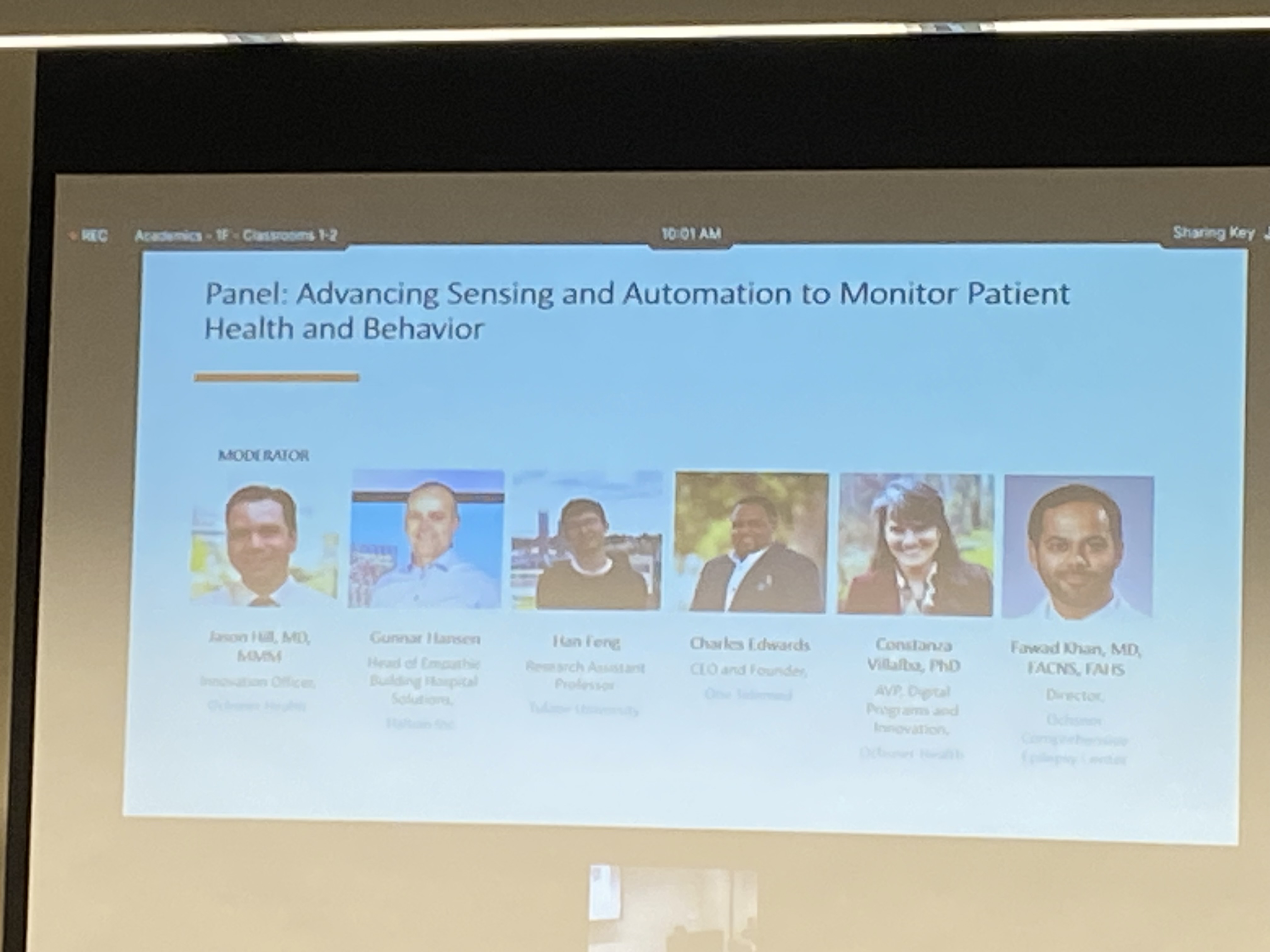
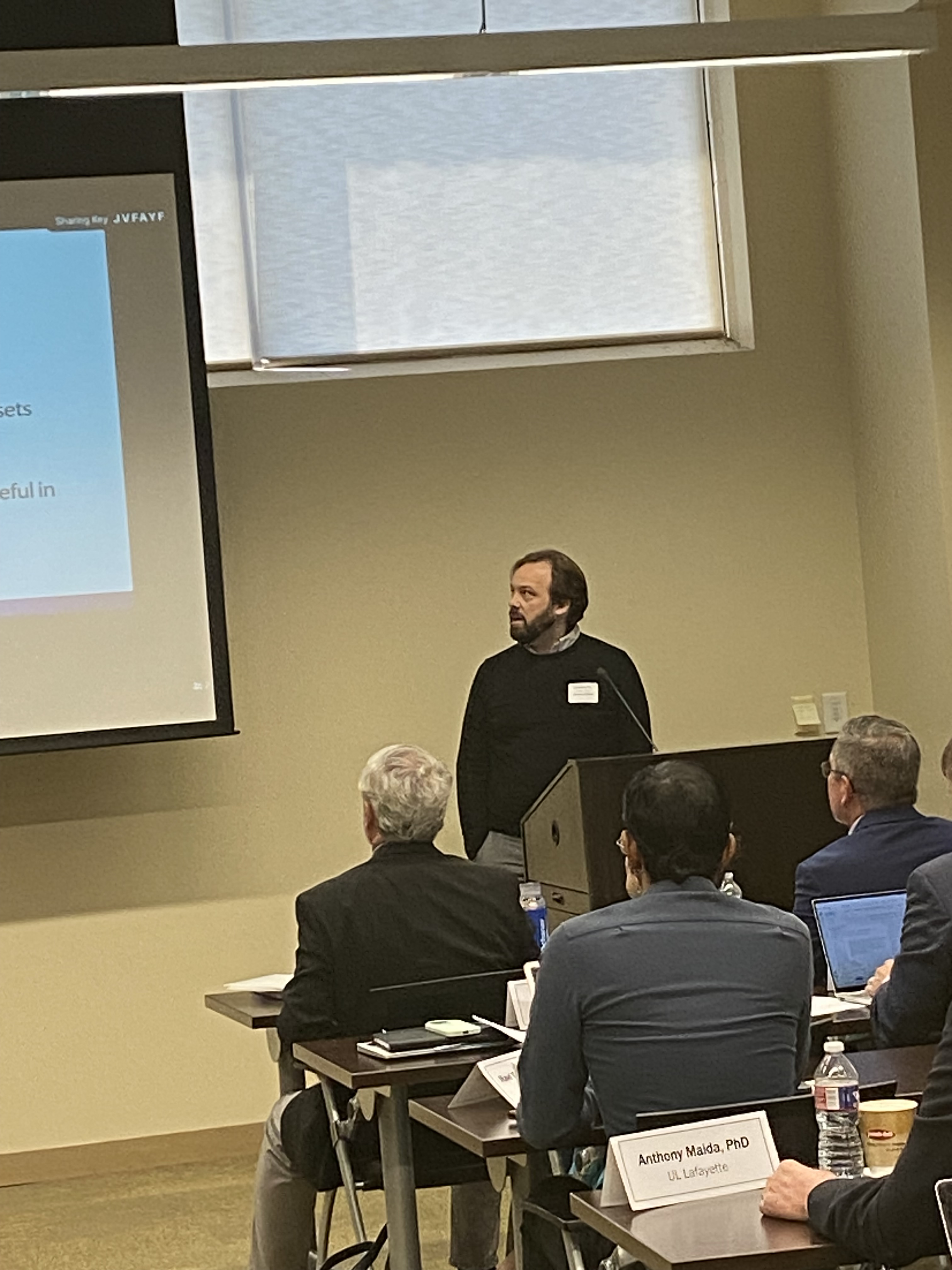
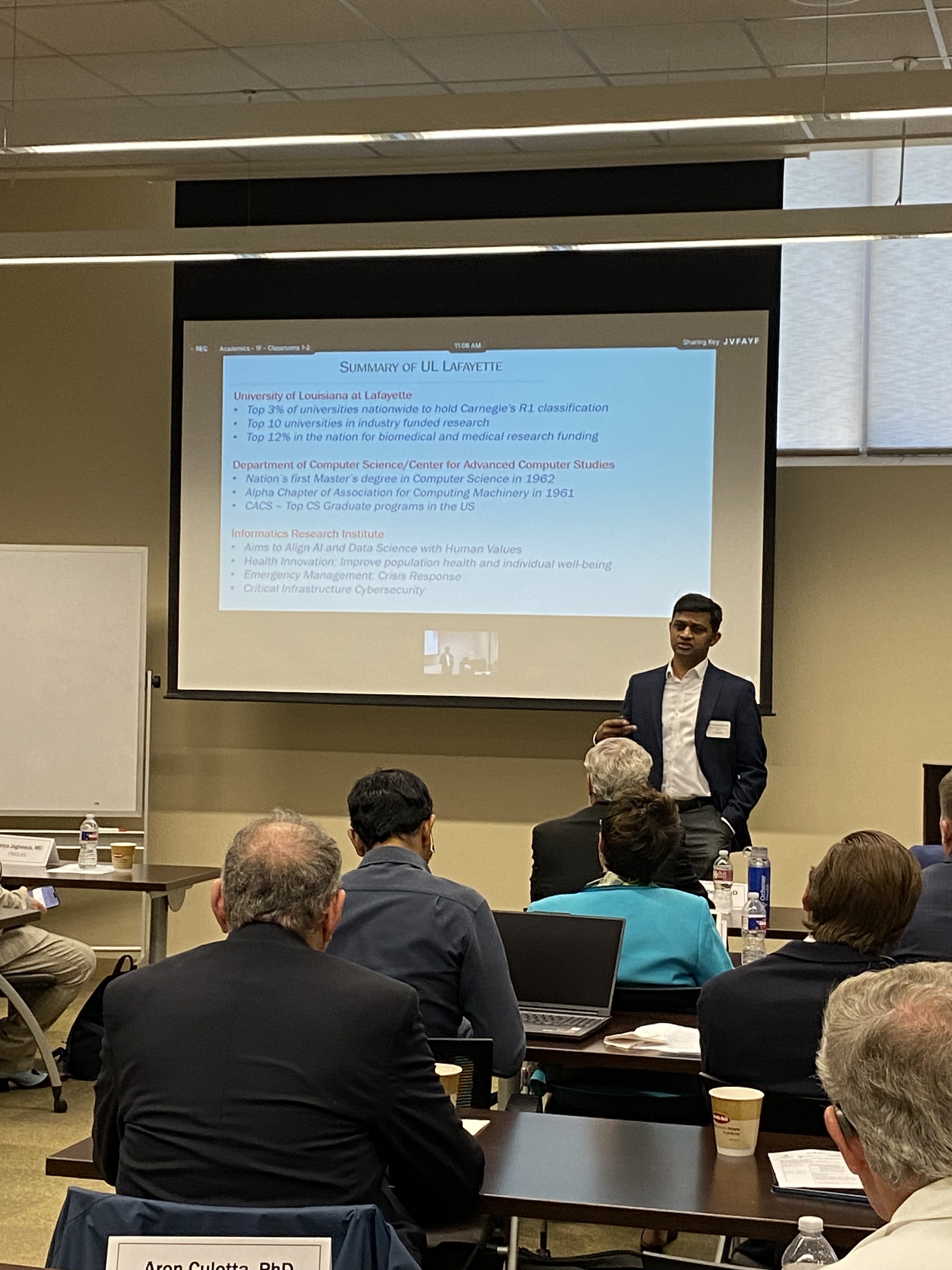
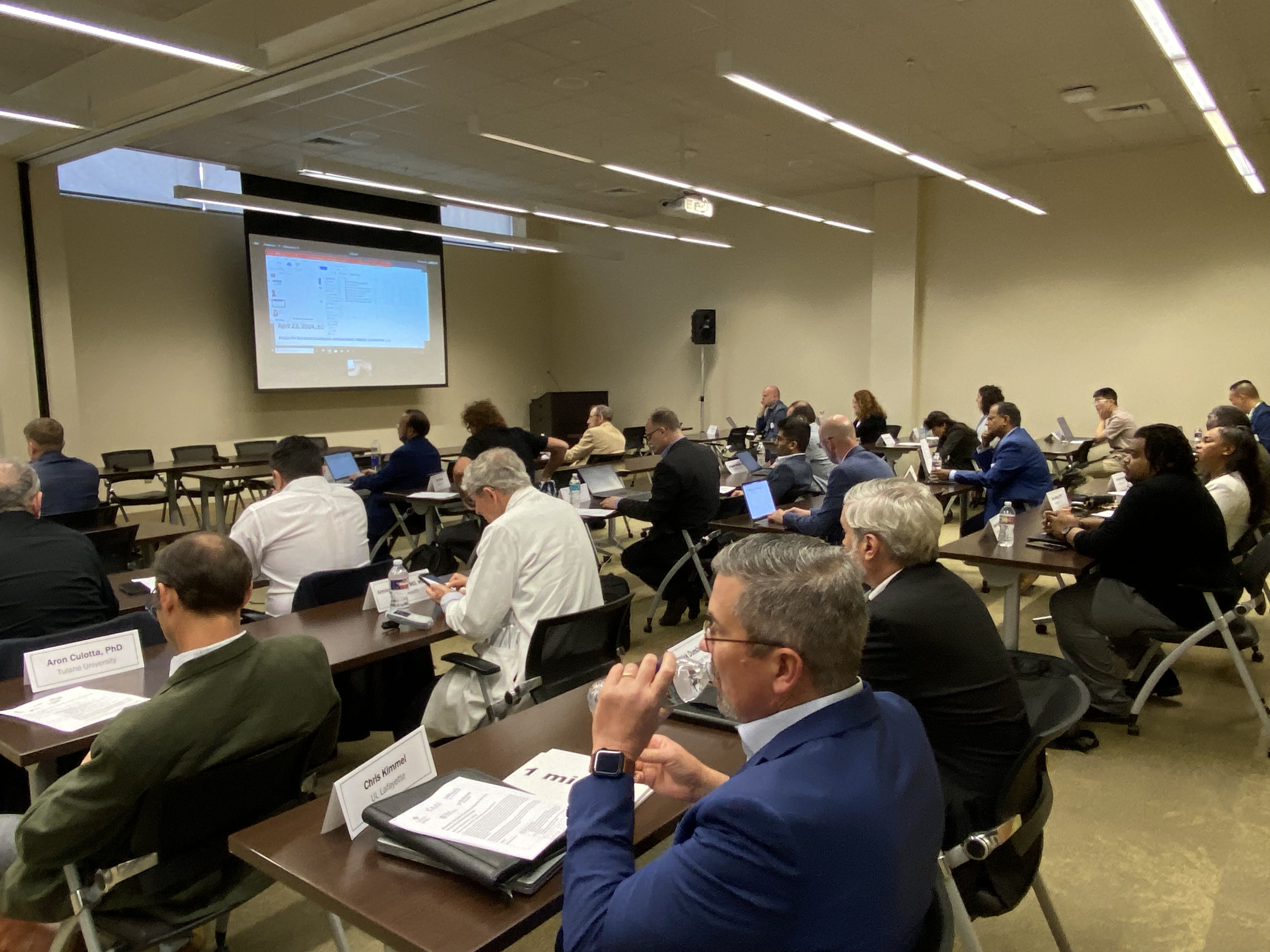
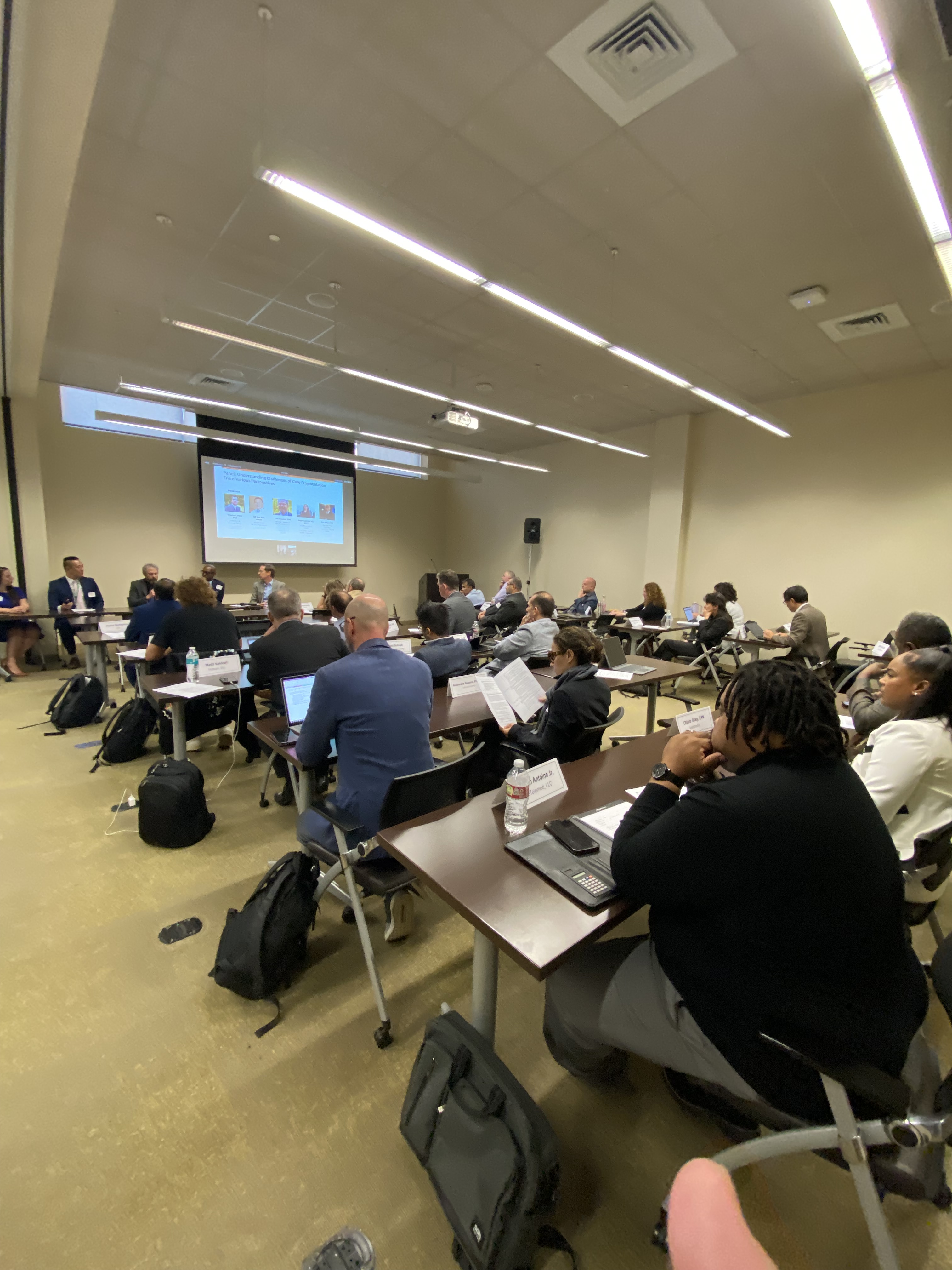
In 2024, Dr. Raju Gottumukkala, Director of the Center for Applied Artificial Intelligence (CAAI) at the University of Louisiana at Lafayette, convened physicians, health policy experts, public health scholars, and AI researchers for a workshop exploring how AI, augmented by human insight, can profoundly improve health outcomes. Additionally, the workshop was designed to foster collaboration between AI researchers and health experts to jointly identify key challenge areas, funding opportunities, and avenues for collaborative research. The “Exploring the Transformative Impact of Applied AI on Health Outcomes” symposium workshops were held on January 23, 2024, and July 22, 2025.
Partner Organizations
This event brought together leaders from the University of Louisiana at Lafayette, Ochsner Health, Tulane University, LSU Health & Sciences, Georgia Tech, the University of Florida, and the Louisiana Center for Health Innovation to discuss pain points, ethical concerns, and the future of AI in healthcare.
Symposium Objectives
- Learning from Healthcare Organizations: Understand the health challenges with care fragmentation, gaps that contribute to poor decisions, and thereby leading to unfavorable health outcomes, including but not limited to transitions of care, patient engagement, patient monitoring, health disparities, and access to rural healthcare.
- Showcasing Ongoing AI/ML Research: Present ongoing and pertinent research endeavors in the various topics of Artificial Intelligence and Machine Learning.
- Identifying Synergies: Explore potential synergies between AI expertise and addressing the challenges impeding optimal health outcomes.
- Developing Use-Driven Research Problem Statements: Collaboratively formulate research problem statements grounded in practical applications and real-world healthcare needs.
Next Steps
As additional universities joined the partnership, the group pursued an Industry-University Cooperative Research Center (IUCRC) planning grant from the National Science Foundation. The leadership team from the University of Louisiana at Lafayette, Tulane University, Georgia Tech, and the University of Florida sat down with over 100 AI + Healthcare tech leaders to discuss their AI needs, from those with ideas to those with working systems. In 2025, the grant for the Accessible Healthcare through AI-Augmented Decisions Center was approved to enter the planning stages of establishing an IUCRC.
Our initiative will continue this momentum as we collaborate to create actionable strategies and ignite collaborative opportunities to accelerate meaningful AI integration into healthcare.
If you are leading AI initiatives in your organization, evaluating adoption strategies, or seeking to understand best practices for implementation, please join our email list for the latest events and news!
Accessible Healthcare through AI-Augmented Decisions (AHeAD) Center
A Planned National Science Foundation Industry University Cooperative Research Center
We are excited to announce the Accessible Healthcare through AI-Augmented Decisions (AHeAD) Center, a planned National Science Foundation Industry-University Cooperative Research Center. AHeAD brings together industry innovators and universities to harness the potential of AI to overcome R&D barriers and build AI-augmented decision support systems that deliver high-quality healthcare to all populations.
The collaboration is led by the University of Louisiana at Lafayette, in partnership with Tulane University, Georgia Tech, and the University of Florida. The center will bring together industry leaders and innovators to harness the potential of AI to transform healthcare by reducing costs, improving the quality of care, and making health information accessible to all populations.
Despite advances in foundational models, significant trustworthiness, privacy, and variable gaps remain. This is especially problematic for clinicians and patients who directly use AI tools in their profession. Addressing these fundamental challenges is critical for integrating AI into existing health systems.
The center will focus on the “last mile” of R&D barriers that continue to stall the responsible deployment of AI technology into the health system. We will build trustworthy, privacy-preserving, and broadly accessible AI systems that work reliably from academic hospitals to rural clinics and home settings.
Discover more about our innovative research, meet the leadership team and more by visiting our website today!

Join our AI4HealthOutcomes Webinar Series
*Currently on summer break May – July. The series will return in August 2026.
Goal
The goal of the series is to foster collaboration, spark innovation, and gather feedback from an interdisciplinary community of researchers and practitioners.
Who can attend?
The seminar series is open to researchers, faculty, industry, doctors, healthcare professionals, and students!
Is there a cost?
The series is complementary. The seminar is open to everyone, so please share it with your colleagues, faculty, students, or staff.
Events Archive
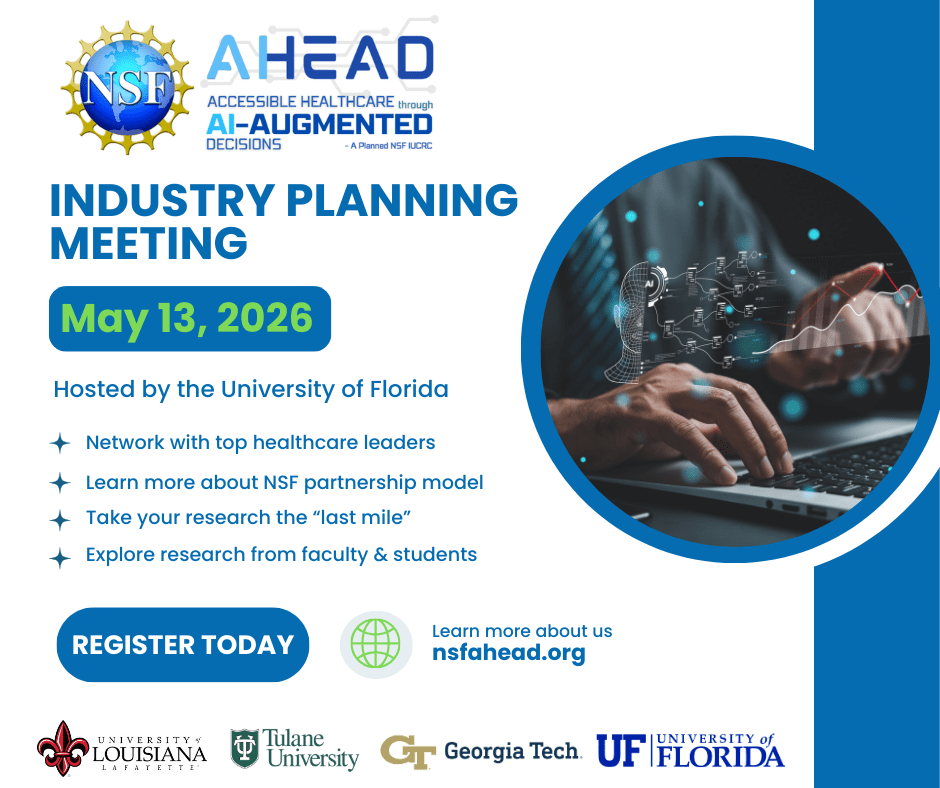
NSF AHeAD Industry Planning Meeting & Student Poster Session
May 13, 2026

Hosted by the University of Florida
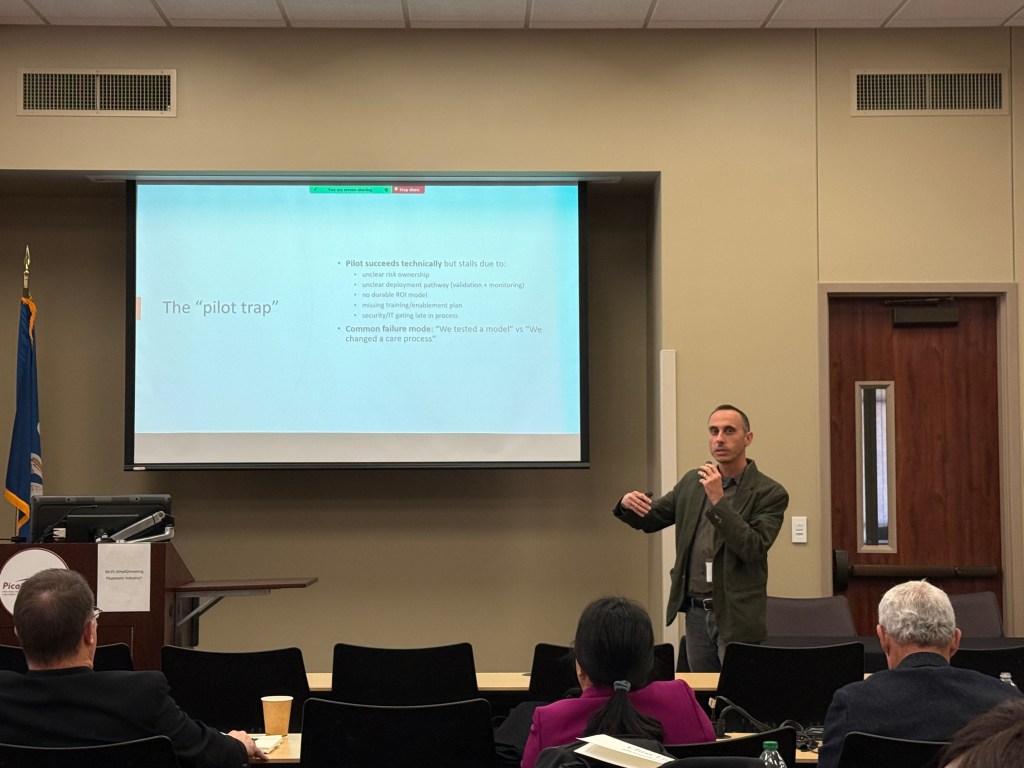
NSF AHeAD Industry Planning Meeting & Student Research Poster Session + Demos
February 4-5, 2026

Hosted by the University of Louisiana at Lafayette
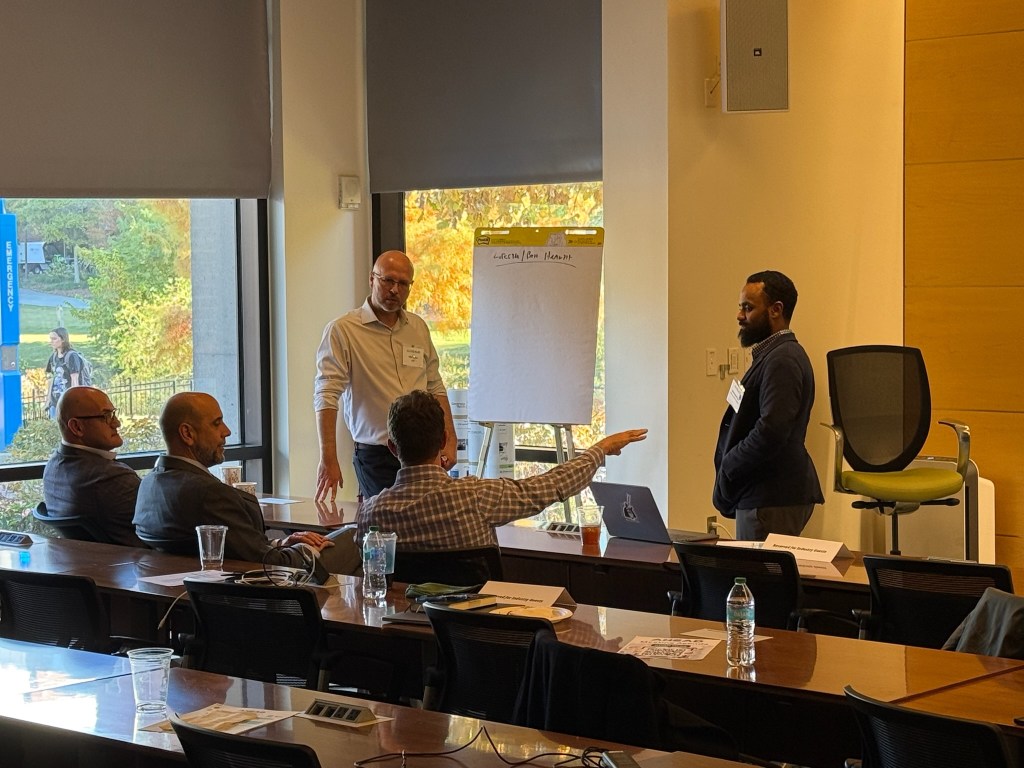
NSF AHeAD Industry Planning Meeting & Student Research Poster Session
November 5, 2025

Hosted by Georgia Tech
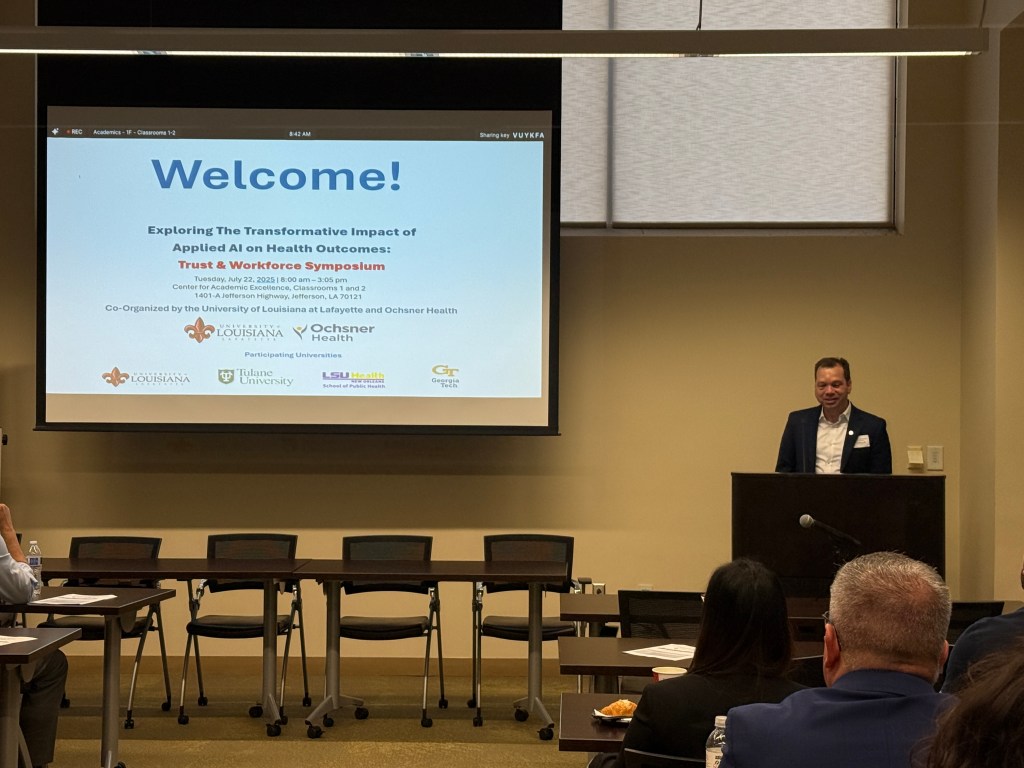
Exploring The Transformative Impact of Applied AI on Health Outcomes:
Trust and Workforce Symposium
July 22, 2025
Hosted by UL Lafayette & Ochsner Health
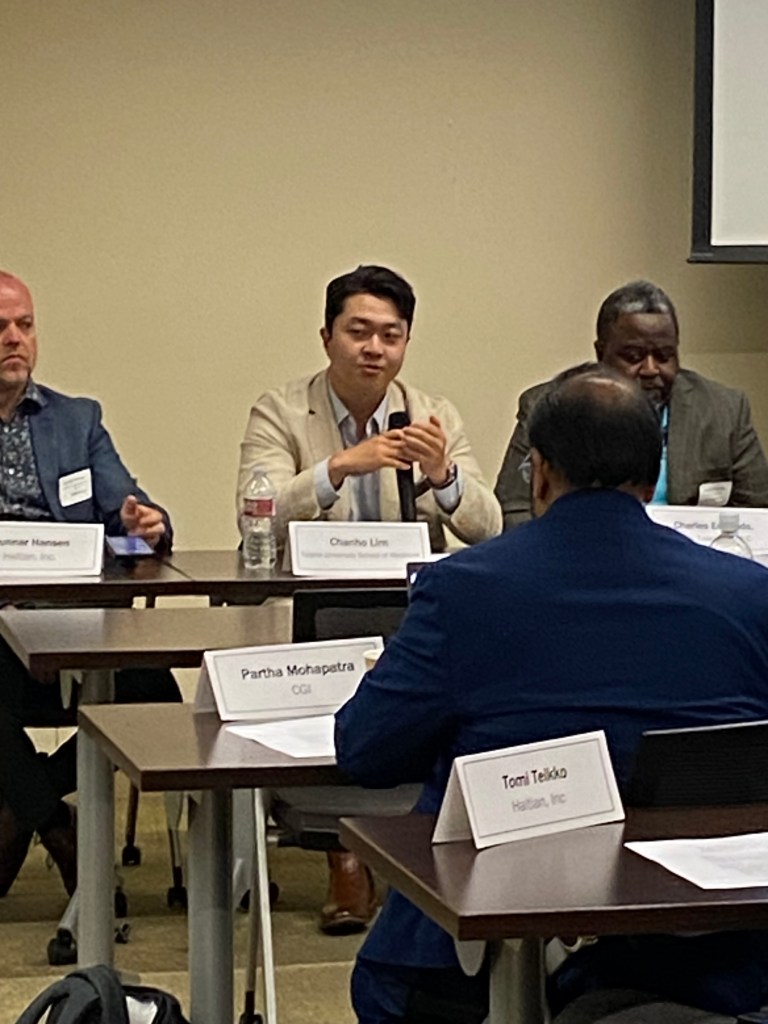
Exploring The Transformative Impact of Applied AI on Health Outcomes
January 23, 2024
Hosted by UL Lafayette & Ochsner Health